Does Insurance Cover Varicose Vein Treatment in Queens?
Many insurance plans cover treatment for symptomatic varicose veins when medical-necessity requirements are met. Our Forest Hills team helps you understand what to check before moving forward with care.
- Help understanding your benefits and requirements
- Medicare, Medicaid, and commercial plan questions
- Physician-led evaluations with on-site ultrasound
 Forest Hills • Queens, NY

When Does Insurance Cover Varicose Vein Treatment?
Coverage usually depends on the medical reason for treatment, your documented symptoms, the procedure, and your plan.
Medically Necessary Care
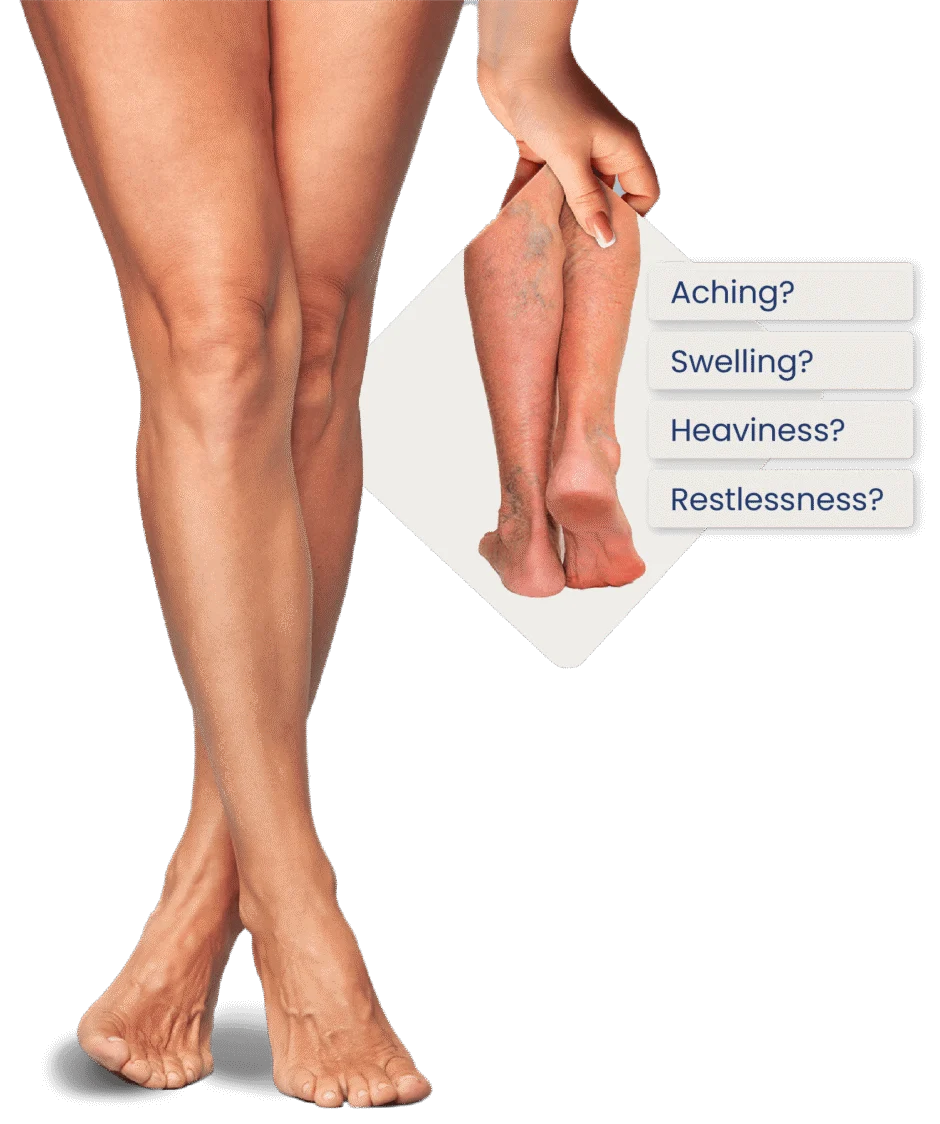
Ongoing leg pain or heavinessSymptoms that affect work, walking, or daily life.
Swelling or skin changesVisible changes or swelling linked to a vein condition.
Diagnostic findingsClinical exam and ultrasound findings when needed.
Required care historyRecords of conservative care if your insurer requires it.
Coverage may be possible when a diagnosed condition meets your plan’s medical-necessity criteria.
Appearance-Only Treatment
Visible veins without symptomsSpider veins treated only for their appearance.
Cosmetic-only goalsTreatment that doesn’t address a documented medical problem.
Criteria not yet metDiagnosis, tests, or records don’t meet the policy yet.
Plan-specific exclusionsThe procedure may not be part of your benefits.
Insurance is less likely to cover procedures done only for cosmetic reasons.
Important: no plan guarantees coverage based on symptoms alone. Your insurer decides using your benefits, records, and policy criteria.
When Is Vein Treatment Medically Necessary?
Insurers may review several parts of your medical history before approving treatment. Exact requirements differ by plan.
Swipe to see all 6 →
Not sure what your policy requires? Start with your insurance card, and we’ll help you know what to ask.
How Insurance Verification Works
We help you identify what to review before treatment is scheduled at our Forest Hills clinic.
Swipe to see all 5 steps →
Check Your Insurance Benefits Before Treatment
Send us your details and our Forest Hills team will help you understand your coverage and next steps.
Plan and network checkParticipating providers, visits, and diagnostic testing.
Coverage requirementsReferrals, documentation, and approvals if they apply.
Possible patient costsDeductibles, copays, coinsurance, and uncovered services.
Request a Benefits Check
Share your contact details and your insurance carrier and plan in the message. We’ll call you back.
What Could Your Plan Require Before Approval?
Even with active insurance, extra steps may apply. We help you know what to ask your insurer.
Swipe to see all 6 →
Are Vein Treatments Covered by Insurance?
Coverage differs by treatment and clinical reason. We discuss options after your evaluation; your insurer decides what is covered.
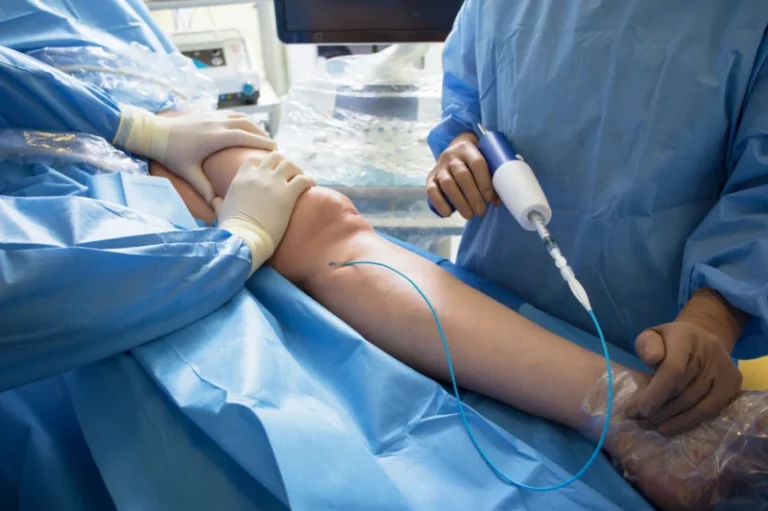
Radiofrequency Ablation
Some plans cover endovenous ablation for diagnosed, documented symptomatic vein disease.
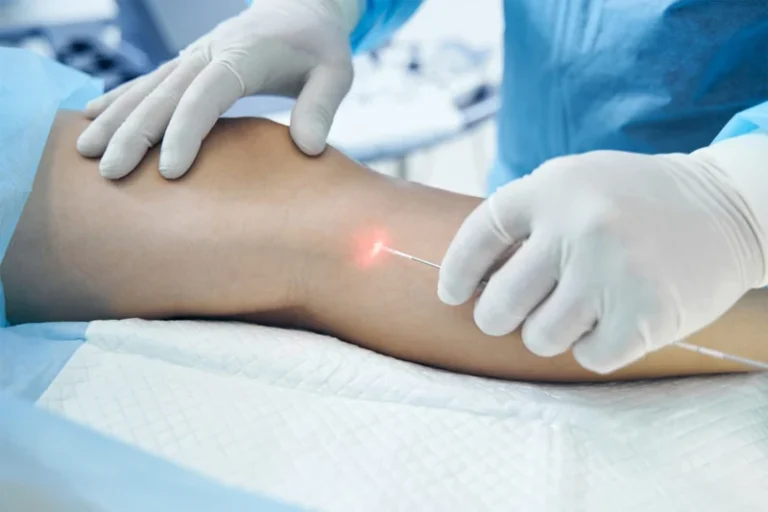
Endovenous Laser Treatment
Laser closure may be an option for eligible veins. Coverage depends on your plan and clinical criteria.
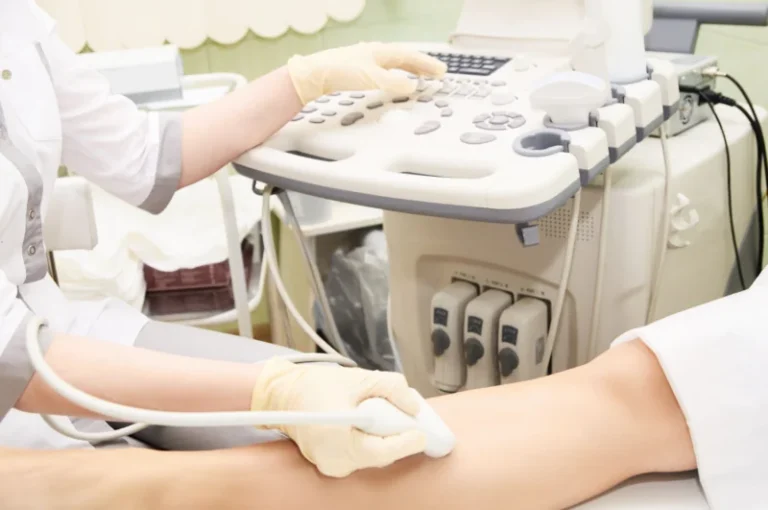
Varithena Microfoam
Coverage may depend on the vein being treated and your insurer’s policy.
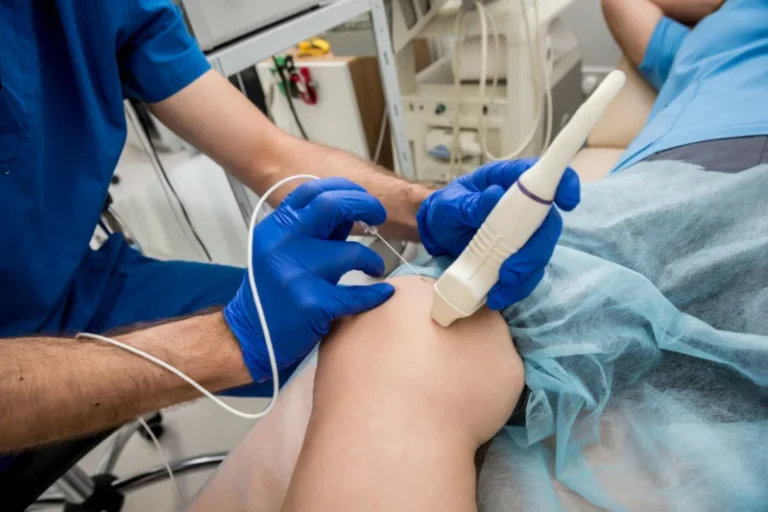
VenaSeal Closure
Medical adhesive closure may have plan-specific coverage rules or limits.
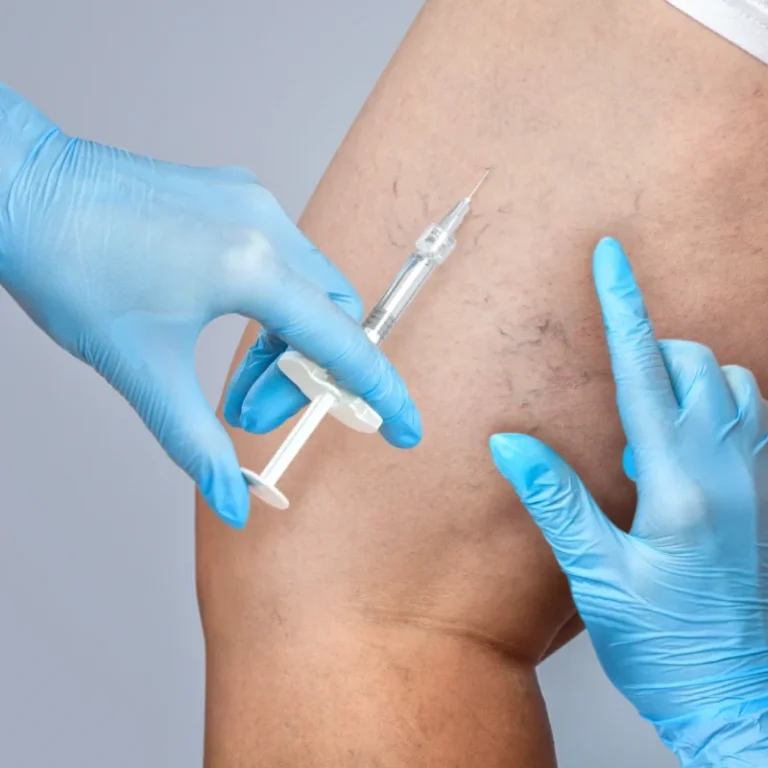
Sclerotherapy
Medically necessary injections may qualify, while cosmetic spider vein injections often don’t.
Swipe to see all 5 treatments →
Important: a treatment being offered at our clinic doesn’t guarantee your plan will pay for it. Always confirm your benefits and any authorization requirements.
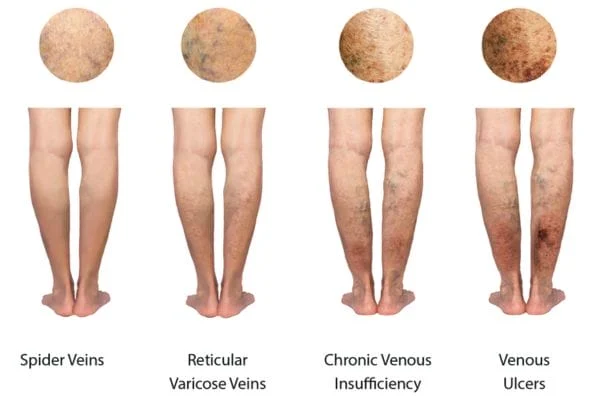
Does Insurance Cover Spider Vein Treatment?
Spider vein treatment is often considered cosmetic when it’s done only to improve appearance. Coverage may differ when there’s a documented underlying vein disorder, but your insurer’s policy and medical findings still decide.
An evaluation shows whether your concerns are cosmetic, medical, or both.
Medicare and Medicaid Coverage Questions
Government insurance has specific eligibility rules, and networks differ. We help you know the right questions before your visit.
Does Medicare Cover Varicose Vein Treatment?
Original Medicare may cover medically necessary vein procedures when documentation and coverage criteria are met. Medicare Advantage plans may use different networks and authorization rules.
- Ask whether we participate in your coverage option.
- Check ultrasound and procedure requirements.
- Confirm deductibles, coinsurance, and prior authorization.
What About Medicaid or Managed Care?
Medicaid coverage depends on your eligibility, managed care plan, provider participation, and the service. Call us with your plan name to confirm whether we participate.
- Confirm we participate in your plan.
- Ask whether a referral or prior authorization is needed.
- Check coverage for the treatment before scheduling.
What Could You Still Pay if Insurance Covers Treatment?
Even when a service is covered, your share depends on your plan. These terms are worth checking before your visit.
Deductible
What you may pay before some benefits begin.
Copay
A fixed amount for an eligible visit or service.
Coinsurance
Your percentage of allowed costs after the deductible.
Network Rules
Your share can change with provider participation.
What if My Insurance Doesn’t Approve Vein Treatment?
A denial doesn’t always end the discussion. Knowing the stated reason helps you decide what to ask your insurer or clinician next.
1
Understand the Reason
Ask whether it relates to eligibility, network rules, missing records, or policy criteria.
2
Review the Requirements
Check whether more clinical records or another authorization process could help.
3
Discuss Your Options
Ask about the insurer’s review or appeal process and suitable care options.

Meet Dr. Mohammed Islam, MD
Board-Certified Surgeon · 25+ Years of Experience
Dr. Mohammed Islam has spent more than 25 years helping patients understand and treat vascular conditions. A board-certified surgeon with advanced vascular fellowship training, he diagnoses and treats varicose veins, spider veins, and chronic venous insufficiency.
He focuses on listening to patients and recommending care based on clinical findings and personal needs.
Board-Certified Surgeon
Vascular Fellowship Training
25+ Years of Experience
Focused on Venous Disease
Insurance Plans to Discuss With Our Queens Team
Find your insurer below, then ask our Forest Hills office about your exact plan and network.
Medicare & Public Programs · 3 plans
- Medicare
- Medicaid
- CHAMPVA
Aetna & Meritain · 4 plans
- Aetna
- Aetna Innovation Health
- Aetna EPO
- Meritain Health / Aetna Choice POS II
UnitedHealthcare & UMR · 7 plans
- UnitedHealthcare (UHC)
- UHC Dual Complete
- UHC Surest
- UHC Golden Rule
- UHC Navigate
- UHC Nexus
- UMR (UHC Choice Plus) / GEHA
Cigna · 2 plans
- Cigna
- Cigna Local Plus / Curative
Employer & Regional Networks · 3 plans
- Employers Health Network (EHN)
- Medica
- Sana Benefits
Other Plans · 3 plans
- Humana
- Oscar
- Devoted Health
Don’t see your plan? Contact our Forest Hills team to ask about your carrier, plan, and benefits.
What Our Queens Patients Say
Real Google reviews from patients who visited NYC Vein Docs in Forest Hills.


Visit Our Vein Clinic in Forest Hills, NY
Located on Queens Boulevard, NYC Vein Docs welcomes patients from Forest Hills, Queens, and across New York City.
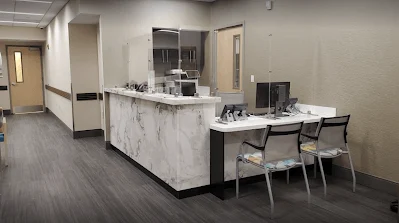
NYC Vein Docs – Forest Hills
Address111-29 Queens Blvd, Forest Hills, NY 11375
Phone929-464-7611
CareVein evaluations, on-site ultrasound, and minimally invasive treatment
Vein Treatment Insurance FAQs
Simple answers to help you prepare for a conversation about coverage, authorizations, and vein care.
Does insurance cover varicose vein treatment in Queens?
Many plans cover procedures for diagnosed, symptomatic venous disease when medical-necessity criteria are met. Coverage depends on your plan, the proposed treatment, and your documentation.
Does Medicare cover vein treatment?
Medicare may cover medically necessary treatments when coverage criteria are met. Ask us and your insurer to confirm provider enrollment, procedure requirements, and your costs.
Does NYC Vein Docs accept Medicaid?
Call 929-464-7611 with your Medicaid or managed care plan name, and we’ll confirm whether we currently participate and what coverage applies.
Are spider veins covered by insurance?
Treatment done only for appearance is commonly excluded. Insurers may review procedures differently when there’s a diagnosed underlying medical issue.
Is an ultrasound required for insurance approval?
Many plans ask for a diagnostic ultrasound showing venous reflux or related findings. Your clinician decides whether ultrasound is appropriate for your symptoms.
Do I need to wear compression stockings before treatment?
Some plans require documented conservative care, such as compression, before approving certain procedures. Ask what applies to your policy.
What is prior authorization for vein treatment?
It’s an insurer review that may be required before a procedure. Authorization doesn’t always guarantee payment; your benefits still apply.
Will my plan cover VenaSeal, Varithena, RFA, EVLT, or sclerotherapy?
Each procedure can have different plan rules, criteria, and exclusions. Verify the specific treatment recommended after your evaluation.
How much will I pay out of pocket?
Your cost may include a deductible, copay, coinsurance, or uncovered services. Your plan’s network and cost-sharing rules decide the final amount.
What if my vein treatment is denied?
Ask your insurer for the reason, review any missing records or authorization requirements, and ask about the review or appeal process.
Can I ask about insurance before my first visit?
Yes. Call 929-464-7611 with your carrier and plan details, and we’ll explain the next step for checking benefits and booking an evaluation.
Have Insurance Questions About Vein Care?
Call our Forest Hills team about your plan and the next step toward an evaluation.